 Contents
Hazard detection and risk assessment
Identifying and detecting risks and assessing hazards
Evaluating the risks posed by hazards is really important in assessing and confirming that these risks and hazards have been managed,
Along with applying a risk-based approach to all improvements and necessary actions.
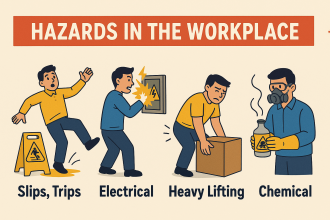
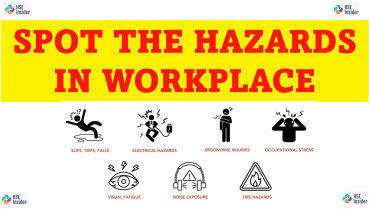
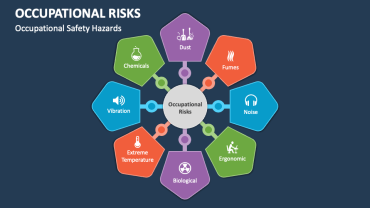
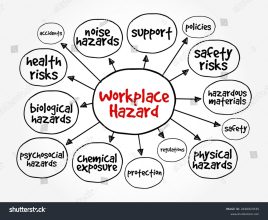
A- Identifying; detecting hazards
Identifying hazards is important because:
Identifying hazards is a basic factor necessary to protect workers. It’s not just a matter of safety but covers every aspect of the work that a business carries out.
Workers can’t do their job if they’re injured; if they see a hazard, they’ll find a way to deal with it.
How do businesses improve hazard identification?
Many programs and processes have been developed to manage risks. However, incidents still happen because all of this is based on managing “anything or something that can cause harm.”
By looking beyond the traditional view of hazards toward a more advanced understanding of how hazards form,
We help businesses establish a common language, ensuring that planning accurately reflects the risk of the work. Using this common language to make observations, and ultimately, achieve safer and more effective operations.
B- Risk Assessment
This service will help develop a risk assessment process tailored to your business.
The result can be “Suitable & Comprehensive” risk assessments that provide full information for the Board of Directors, Department Managers, employees, and everyone else to understand and implement easily.
Usually, the requirements include:
– Task-specific risk assessments: risk assessments developed for the business’s tasks and activities after consulting with workers and management in the Departments; and the Board of Directors.
– Special risk assessments: risk assessments that take into account the time, frequency, and level of employee exposure to specific hazards.
Risk assessments will also identify all training needs based on the hazards.
Suitable and comprehensive risk assessments are an absolute compliance obligation under the Occupational Safety Law.
RISK PROFILE
Risk analysis is designed to ensure that organizations make effective risk management decisions related to their operations, in line with the organization’s level of risk acceptance.
We can support global investment funds, private equity firms, and organizations in mergers and acquisitions by analyzing business risks to identify any areas of concern or legal liabilities related to poor HSE performance.
Creating a risk profile is important because:
If you don’t measure and clearly understand your organization’s specific risk profile, you won’t be able to take strategic, monitoring, and risk mitigation actions over time. Risk profiling helps organizations identify, assess, and prioritize the risks that need to be addressed, leading to more effective and targeted safety measures.
+ Understand the business context
+ Prioritize resources
+ Improve decision-making
+ Prevent normalization of deviation
+ Enhance learning and improvement: Risk analysis encourages a culture of continuous learning and improvement. This allows organizations to learn from incidents and near-misses in the past, leading to better safety practices and policies.
+ Build psychological safety: When employees see that their organization actively analyzes and manages risks, it promotes a sense of psychological safety. They are more likely to report hazards and near-miss situations, knowing that their input is valued and actions will be taken to mitigate risks.
+ Support resilience: By preparing the organization on how to handle unexpected events, organizations can respond more effectively to incidents and minimize their impact.
Businesses improve risk assessment by:
+ The board of directors should ask about the organization’s operational risk profile, how well it aligns with the organization’s risk tolerance, and the actions taken to mitigate risks and related gaps in a detailed, strategic way.
+ Organizations need to proactively measure and monitor their risk profile through regular controls and assurance activities, including assessments by independent experts.
+ Regular reporting on the organization’s risk profile and communication to the management board is necessary.
+ For organizations involved in mergers and acquisitions (M&A), the target company’s risk profile is essential to identify and manage any outstanding risks or HSE issues before the acquisition.
Risk Management Training for Businesses and Organizations
Our experts have worked in large, professional companies and have built many risk management systems, gaining deep insights into organizational risks.
Our operational risk management team has created courses and workshops that combine top-notch leadership thinking.
We simplify the complex. From the introduction stage to control and quality assurance,
Our courses are designed to build organizational competency systems that evaluate and enhance understanding of risks across all operational areas.
Each program can be customized to fit the specific industry and needs of each organization.